
Why Preschool Is Important for Children Ages 1.5 – 4
The toddler years are an exciting time of rapid growth and discovery. Between the ages of 1.5 and 4, children are developing new language skills, becoming more independent, learning how to interact with others, and beginning to understand the world around them.
A quality preschool program provides toddlers with a safe, nurturing environment where these important skills can develop naturally. While preschool introduces children to early academic concepts, its greatest benefits often go far beyond learning letters and numbers.
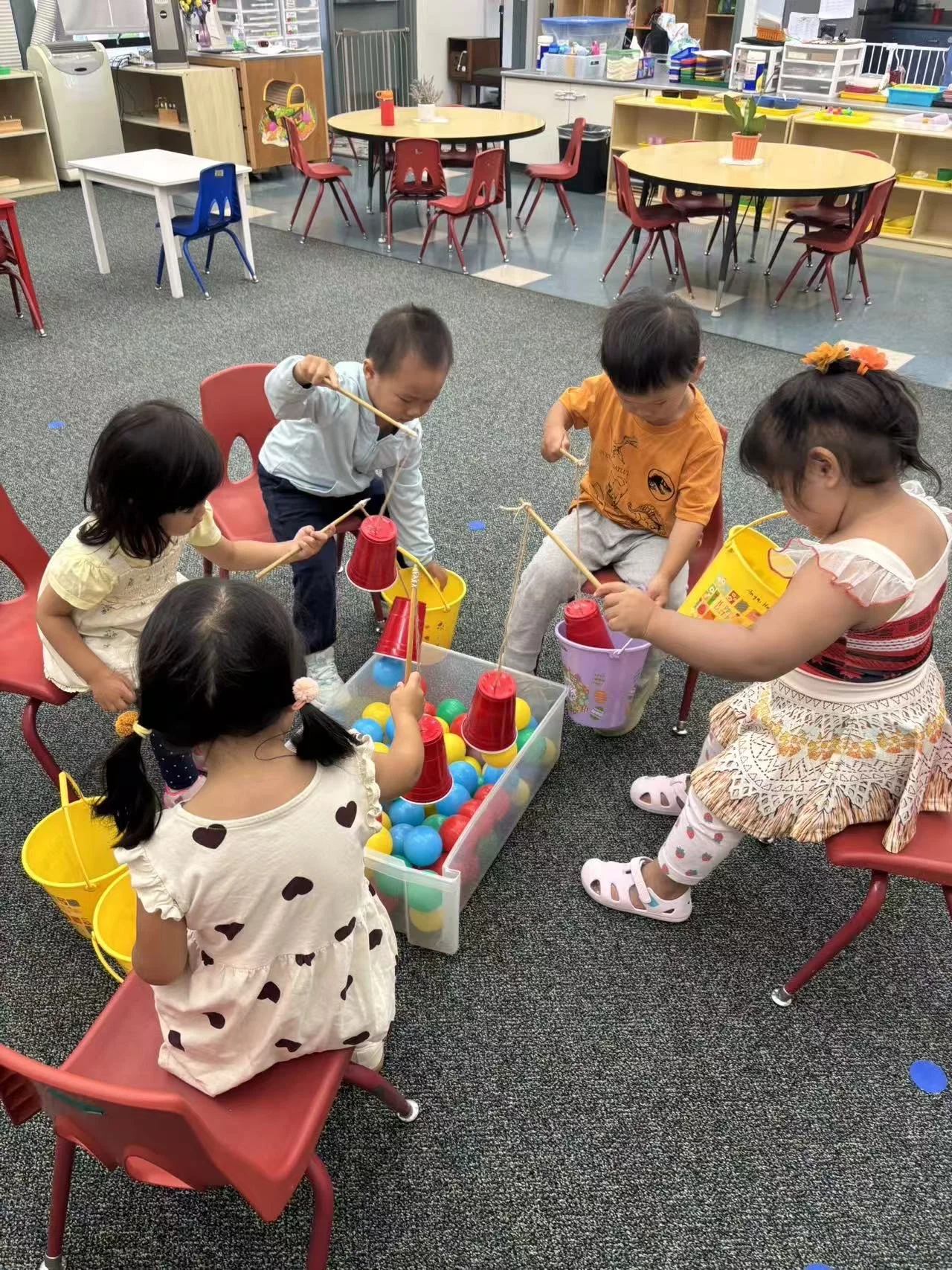
Learning Through Everyday Experiences
Young children learn best by doing. Simple activities such as pouring water, sorting objects, completing puzzles, listening to stories, painting, building with blocks, and caring for classroom materials all provide valuable learning experiences.
Through hands-on activities, toddlers begin developing concentration, coordination, problem-solving skills, and confidence. They discover that learning can be enjoyable and that they are capable of accomplishing things independently.
In a Montessori-inspired environment, children are also given opportunities to make age-appropriate choices and work at their own pace. These experiences help encourage curiosity and a positive attitude toward learning from an early age.
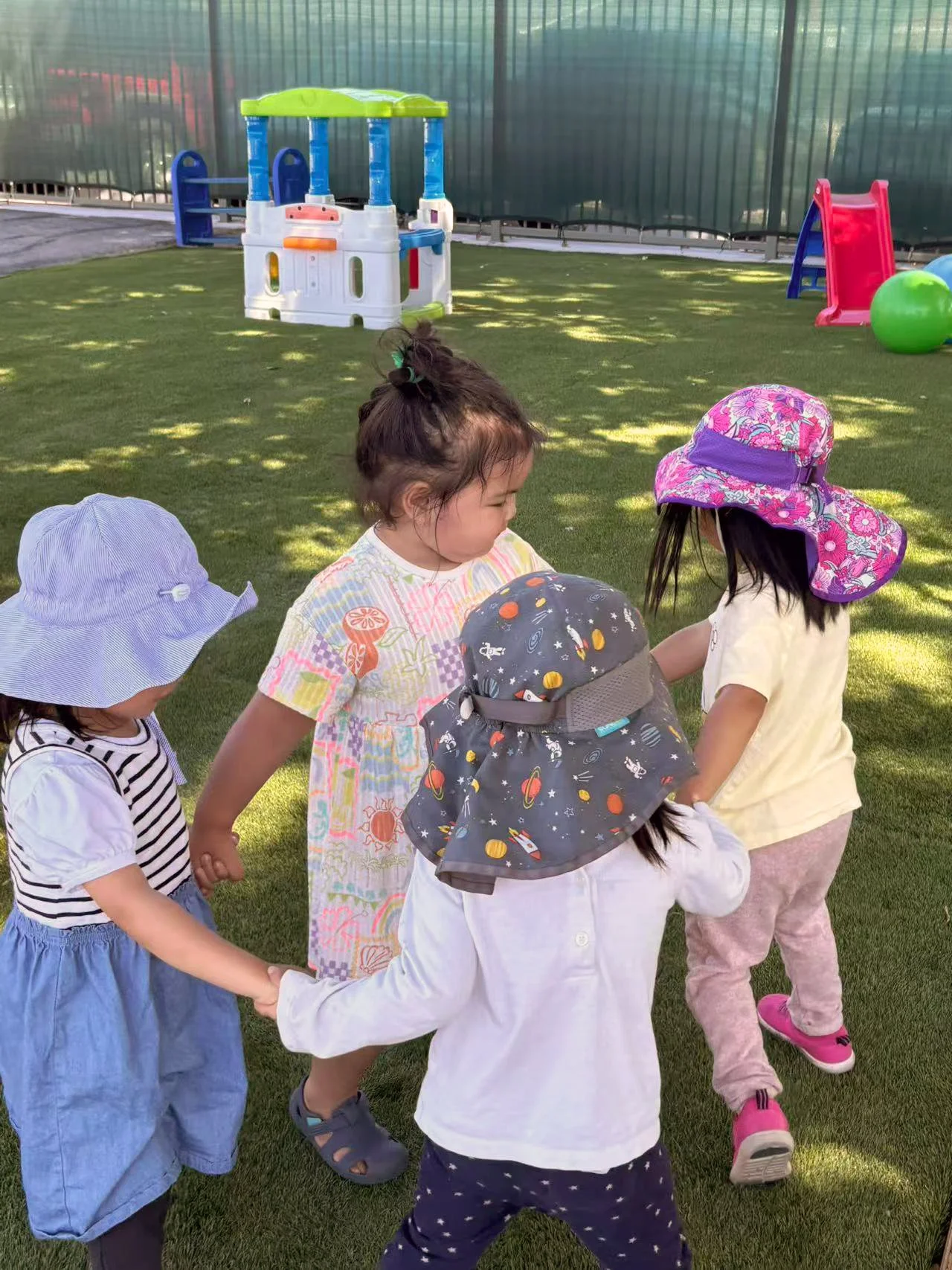
Developing Important Social Skills
For many toddlers, preschool is one of their first opportunities to regularly interact with a group of children their own age.
They begin learning how to share materials, take turns, communicate their needs, participate in group activities, and solve small disagreements with guidance from their teachers.
These everyday interactions help children understand that they are part of a community. Over time, they learn how to build friendships, respect others, and become more comfortable participating in a classroom environment.
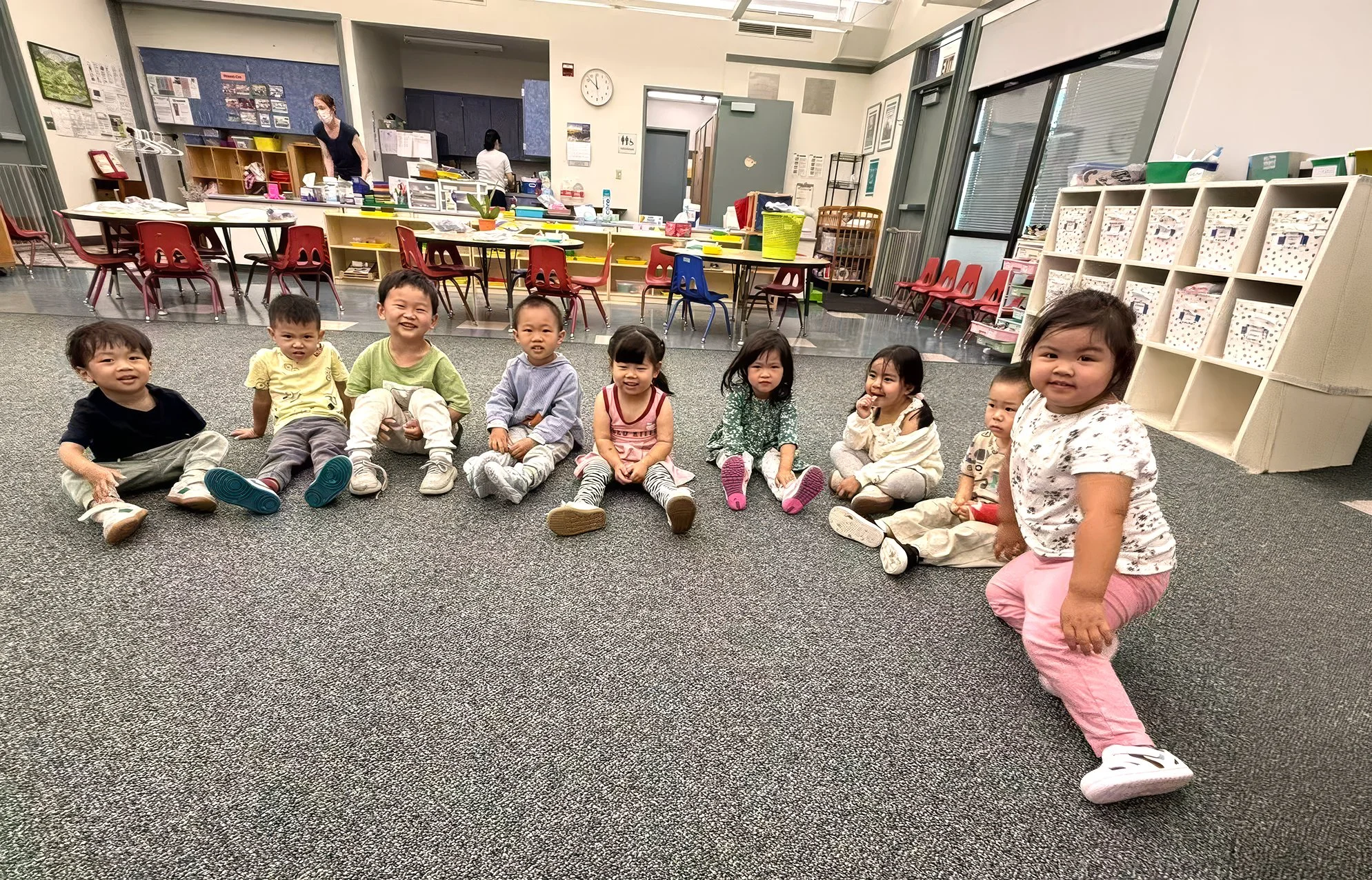
Building Language and Communication Skills
Language development happens rapidly during the toddler and preschool years. A language-rich preschool environment gives children many opportunities to listen, speak, ask questions, sing songs, hear stories, and have conversations throughout the day.
Teachers can introduce new vocabulary naturally through stories, classroom activities, music, play, and everyday routines.
Children in a bilingual preschool environment may also have the opportunity to hear and use more than one language during these important early years. Regular exposure can help children become comfortable hearing different sounds, words, and patterns of communication.
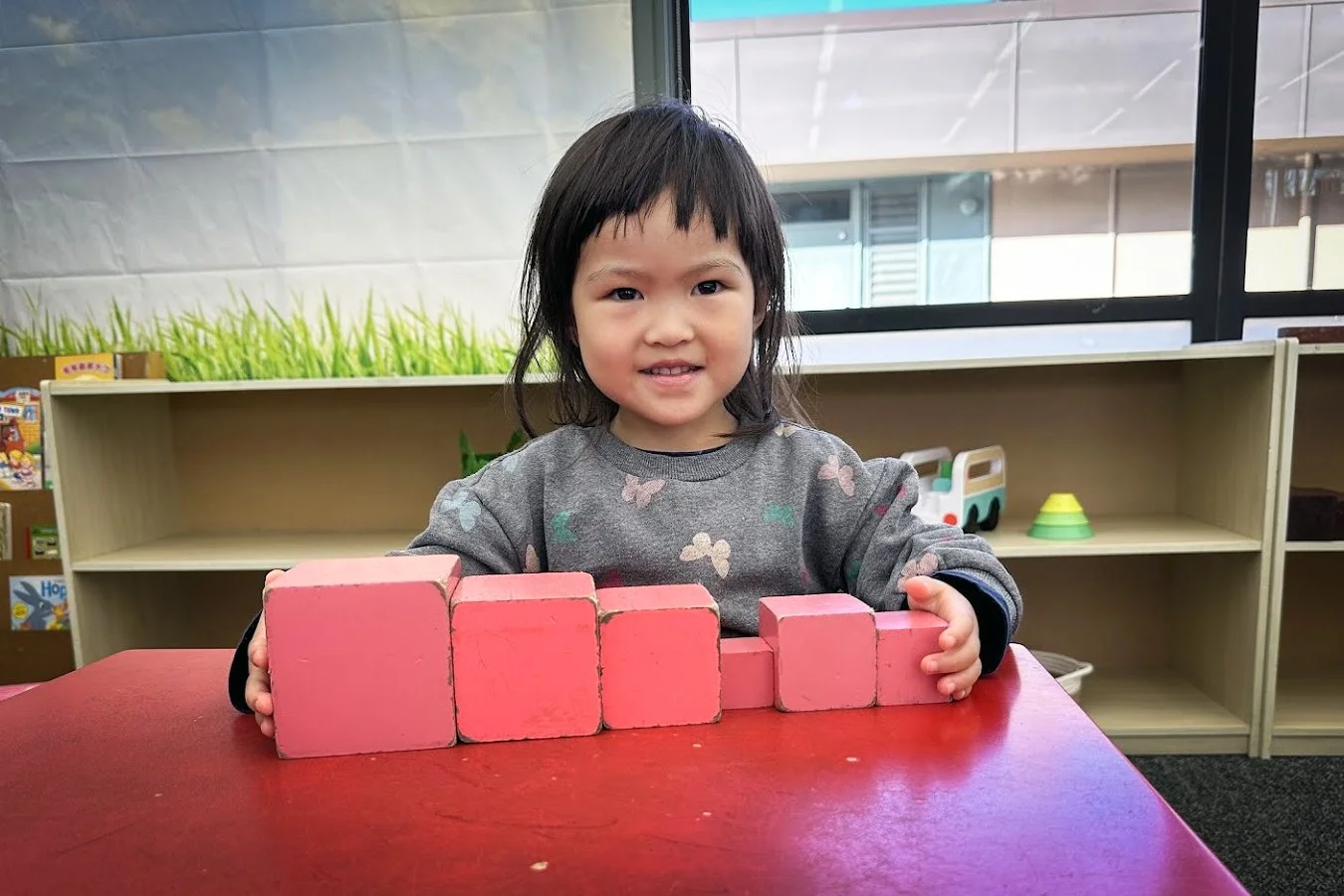
Encouraging Independence
One of the most important things toddlers learn is a simple but powerful idea:
“I can do it myself.”
Preschool gives children many opportunities to practice independence in a supportive setting. Depending on their age and abilities, children may learn to put away their belongings, choose an activity, clean up their workspace, wash their hands, serve themselves, put on their shoes, or help care for their classroom.
These may seem like small accomplishments, but to a young child, they are significant.
Each successful experience helps build confidence, responsibility, and a growing sense of independence.
Learning Routines and Preparing for School
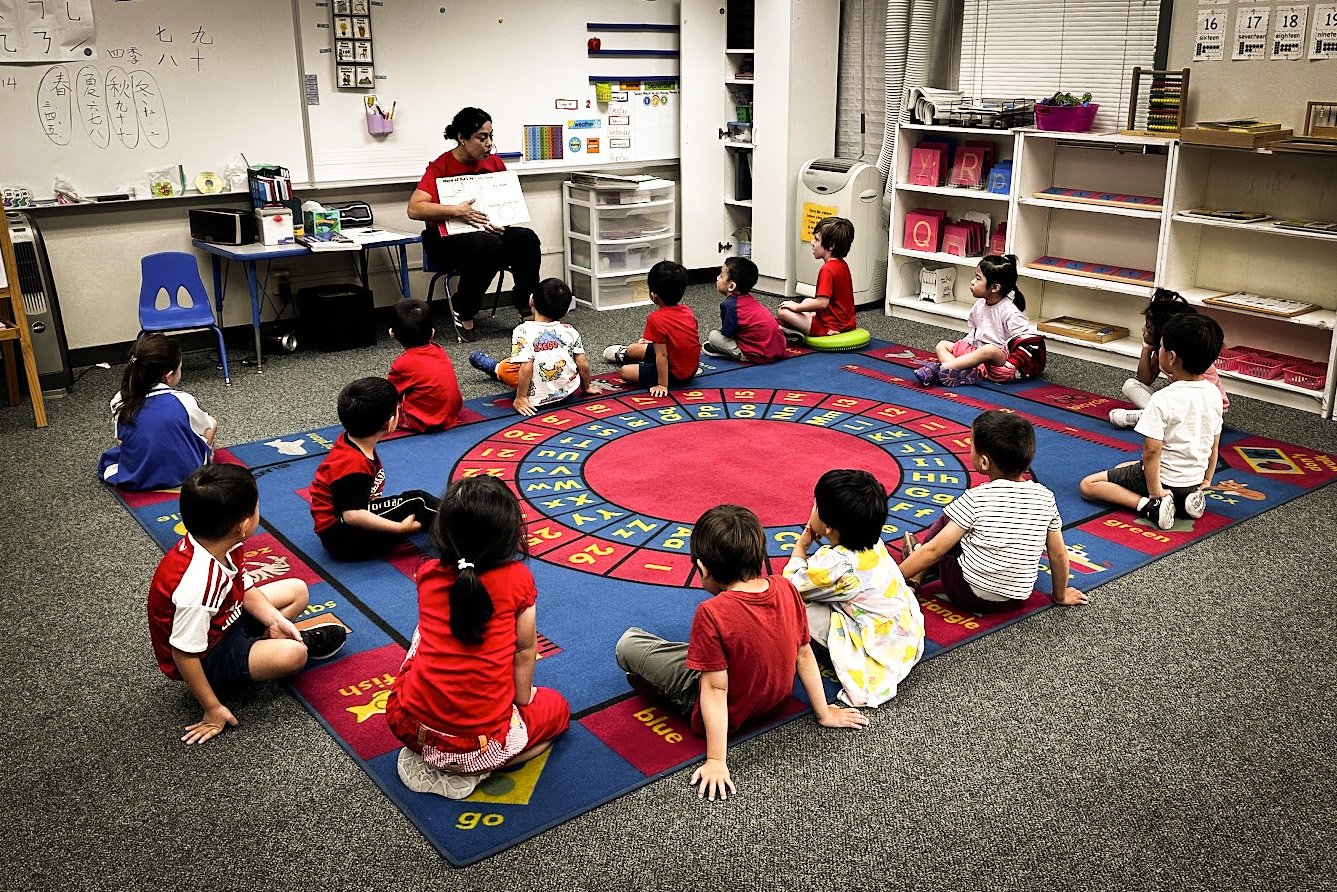
A predictable preschool routine can also help toddlers feel secure and understand what happens throughout their day.
Children gradually become comfortable transitioning between activities such as morning arrival, classroom work, outdoor play, meals, story time, rest, and group activities.
Learning to follow these routines helps prepare children for Pre-K, Transitional Kindergarten, Kindergarten, and future classroom experiences.
Developing Emotional Skills
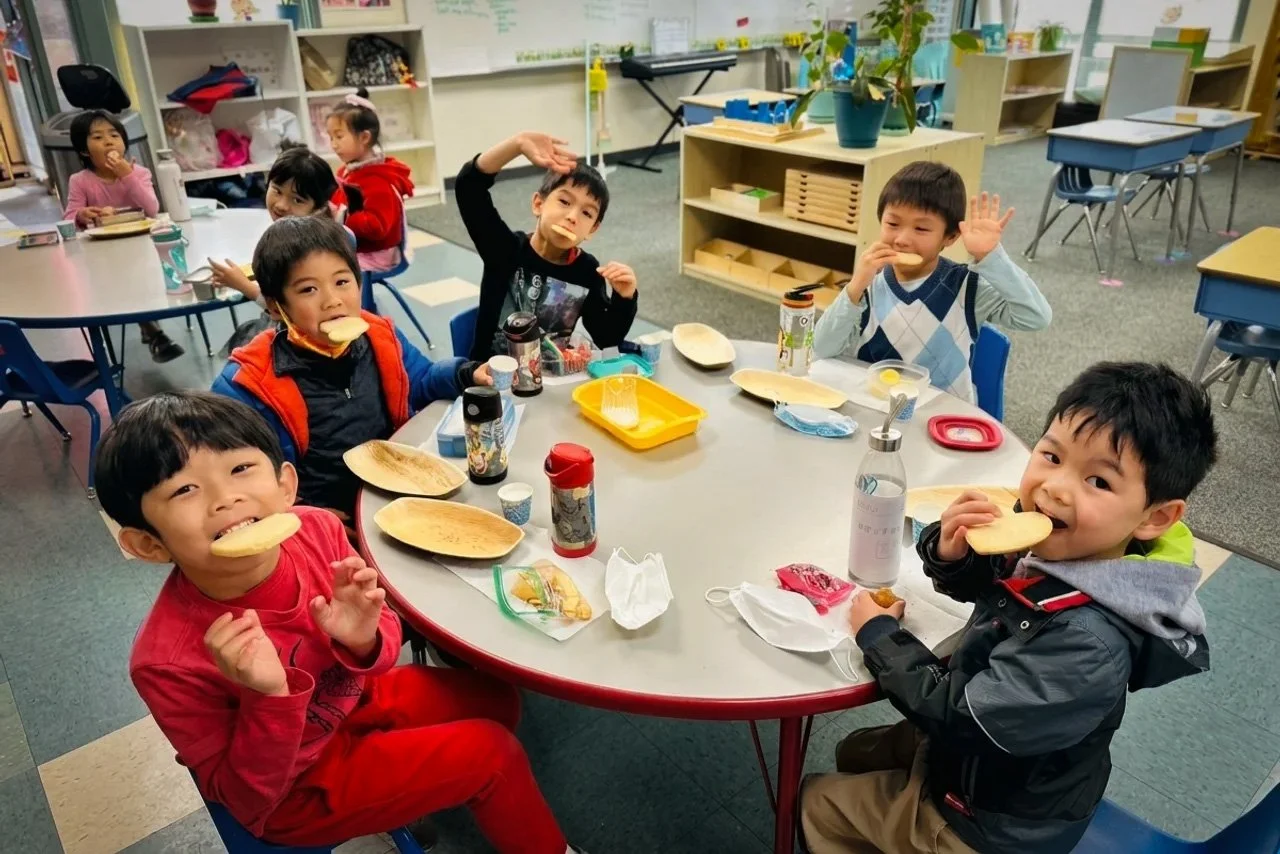
Toddlers experience big emotions, and they are still learning how to express them.
Preschool provides children with opportunities to practice identifying feelings, communicating what they need, waiting for a turn, handling frustration, and calming themselves with support from caring adults.
Teachers can help children find words for their emotions and guide them through challenging moments. These experiences contribute to the development of self-regulation, resilience, and confidence.
Preschool Is About More Than Academics
Parents sometimes wonder whether their toddler is too young for preschool or whether they should wait until their child is closer to kindergarten.
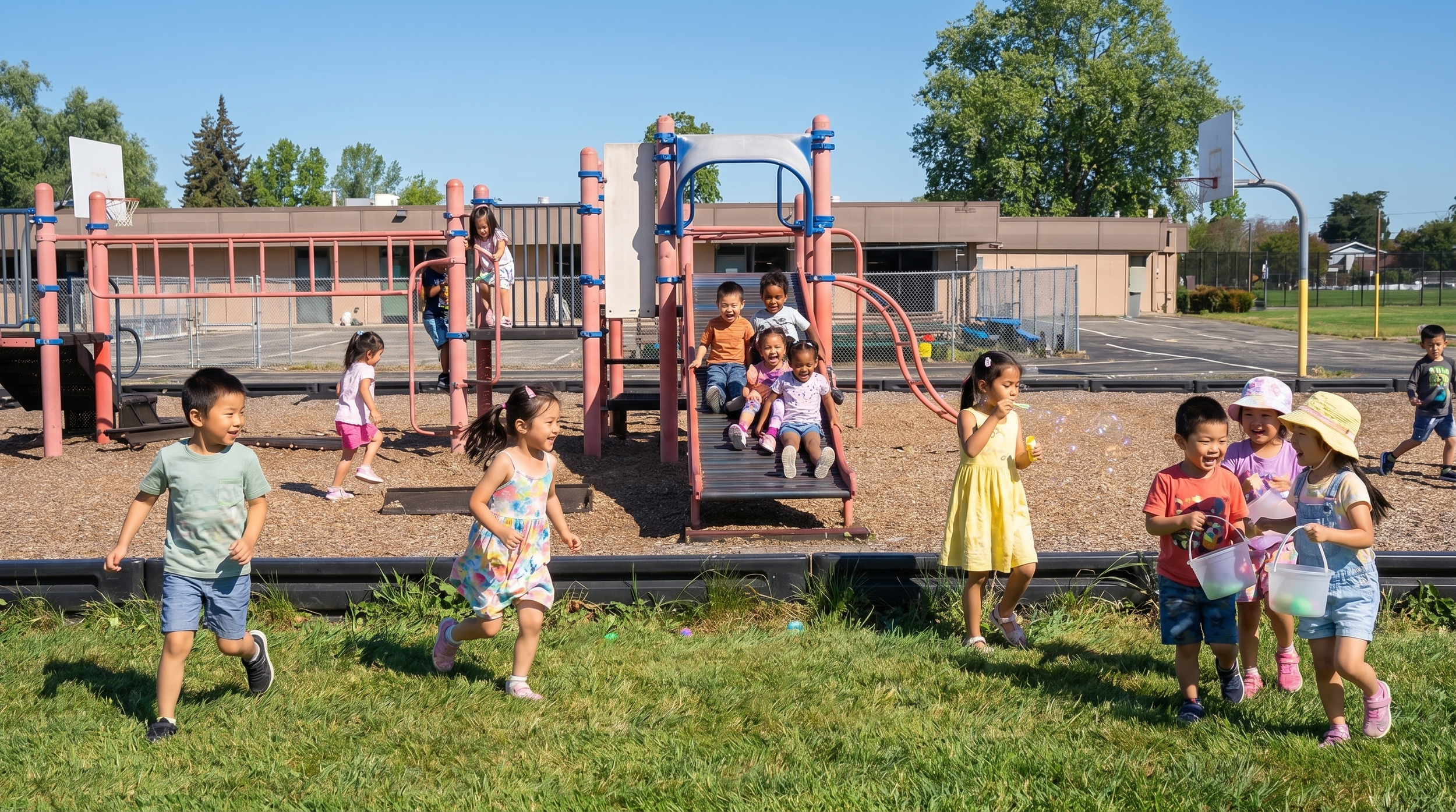
There is no single timeline that is right for every child. However, a nurturing preschool experience can provide young children with something especially valuable: the opportunity to grow socially, emotionally, physically, and intellectually during some of their most formative years.
The goal isn’t to rush toddlers into academics. It is to give them an environment designed for their stage of development—one where they can explore, practice, make mistakes, build relationships, and discover what they can do.
A Strong Beginning at Trust Montessori School
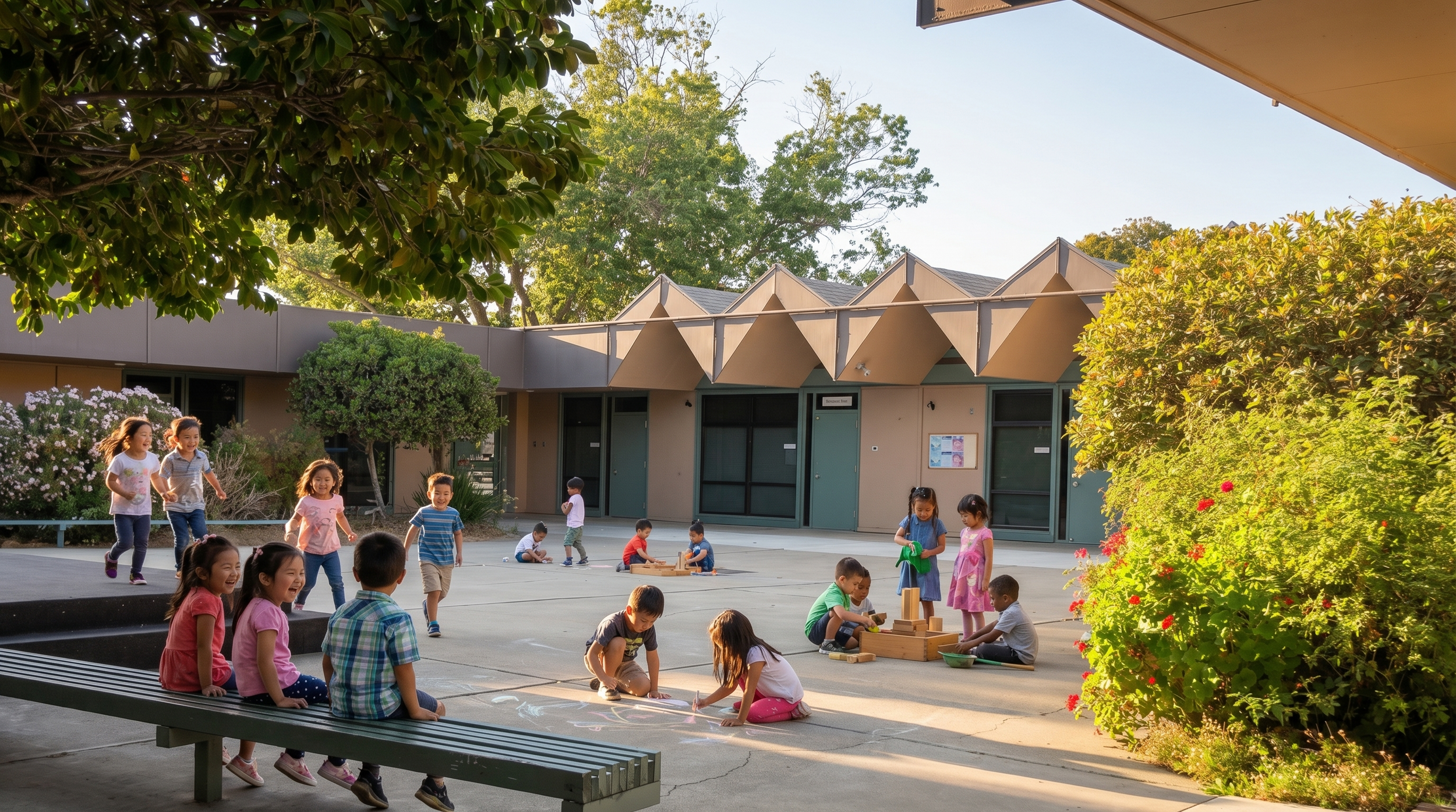
At Trust Montessori School in West San Jose, we believe young children thrive when they feel safe, respected, encouraged, and excited to learn.
Our Montessori-based preschool environment provides opportunities for hands-on learning, independence, language development, social interaction, and meaningful exploration. Through our English and Mandarin bilingual environment, children are also introduced to language naturally as part of their everyday school experience.
For families in West San Jose, Cupertino, Santa Clara, Campbell, and surrounding communities, choosing preschool is an important decision. We encourage parents to look for a program where their child can feel comfortable, develop meaningful relationships with teachers, and build a genuine love of learning.
Because preschool isn’t simply preparation for kindergarten.
It’s the beginning of a child’s relationship with school, learning, and the wider world.
